

2026 is the year where homes become more intentional and cozier. This year marks a decisive shift away from minimalism and safe neutrals that dominated the past decade. Instead, experts are predicting a bold embrace of character, originality, and spaces that tell stories. What’s driving the transformation? A collective trend for authenticity and personalization. Designers are rediscovering the joy of mixing texture, color, and unique design, with sustainable choices that look and feel good with the planet in mind.
Here are the trends that will be seen everywhere this year.
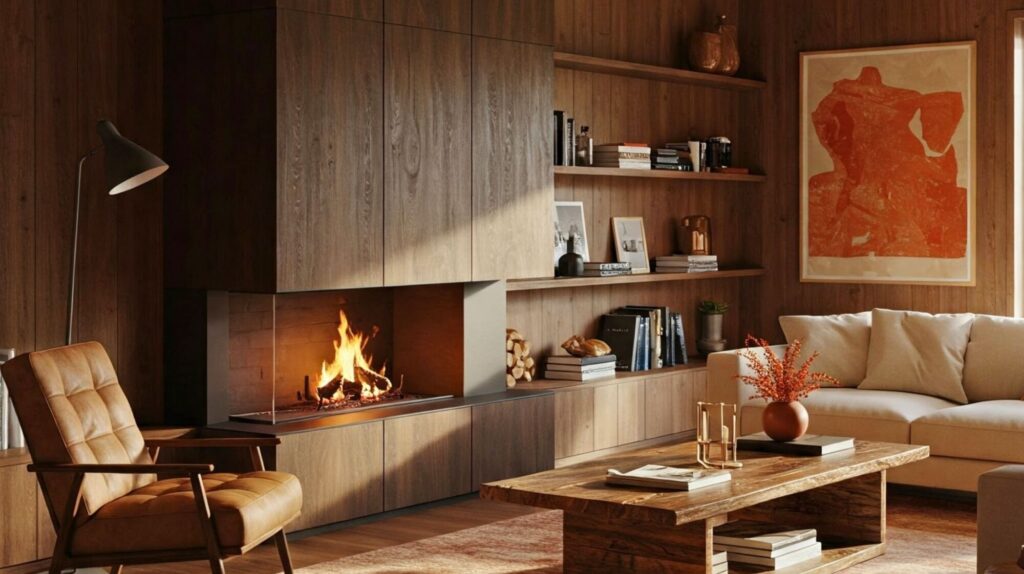
Earthy and Warm Tones for the Home
The Pantone color of the year may be the soothing white, “but according to Houzz experts, the true stars of 2026 are rich earthy and warm tones. Shades and colors include terracotta, deep emerald, and rich dark browns, that add a touch of decadence and comfort. Earthy and warm tones create inviting spaces that feel grounded yet luxurious, perfect for anyone seeking an intimate and authentic atmosphere.
Designing a richly layered space using these colors comes naturally when using decorative composite wood products, including medium density fiberboard (MDF) and particleboard. Choose finishes such as three-dimensional laminates (3DL) or high pressure laminates (HPL) for their versatility in design and availability.
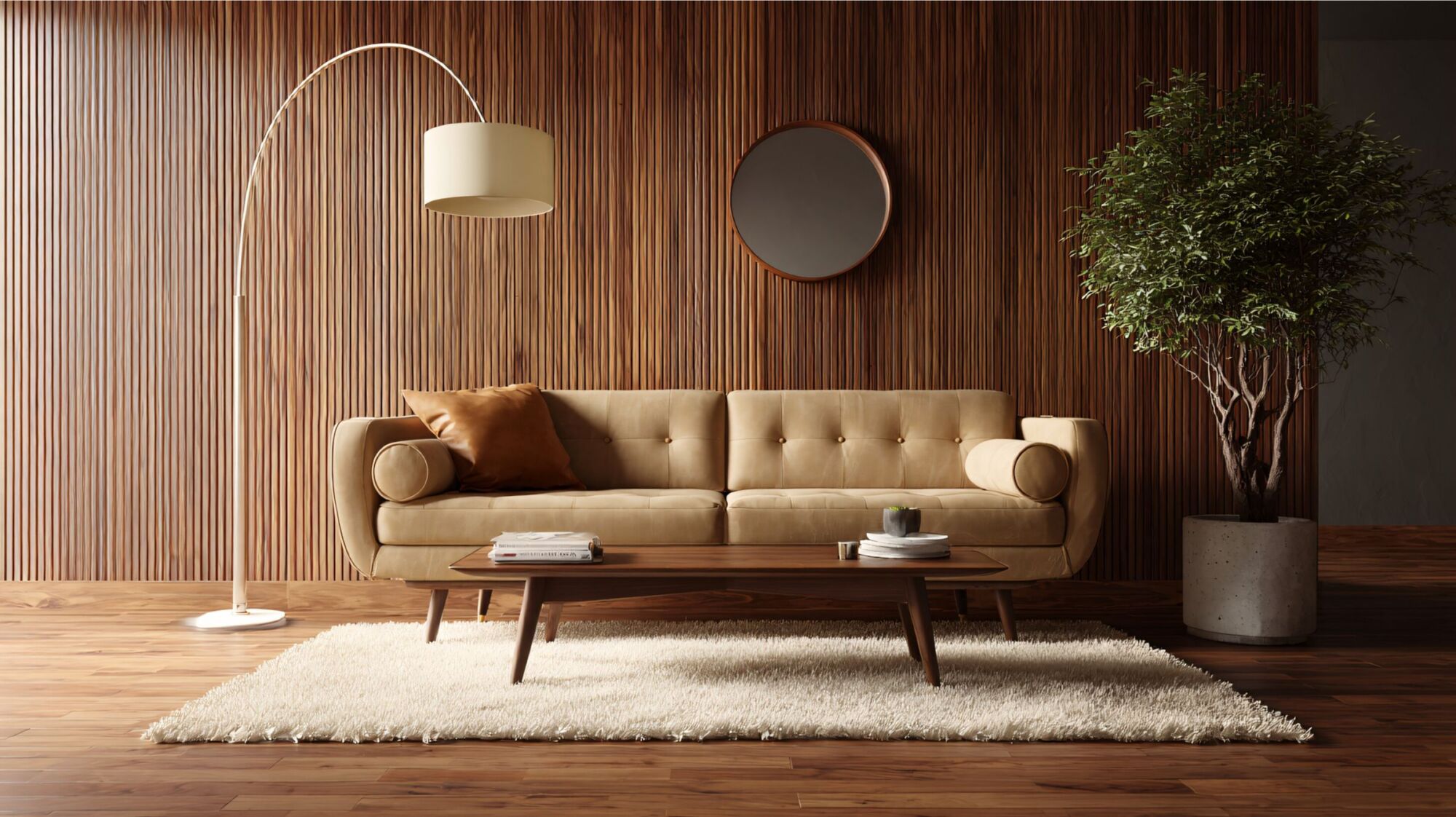
Fluting
Fluting on walls and cabinets has continued to gain popularity over the past two years and it shows no signs of stopping. Stemming from ancient Greek and Roman columns, fluted wood has been used in Neoclassical furniture with a revival during the Art Deco era. Fluting is a creative way to add texture and dimension to any space while still maintaining a lasting appeal.
Fluted wood adds timeless texture and sophistication to any interior, whether the style is modern or classic. Pair MDF with thermally fused laminate (TFL) for a durable, versatile, and cost-effective solution. With its wide range of woodgrain patterns, TFL offers an elegant look without compromising affordability.

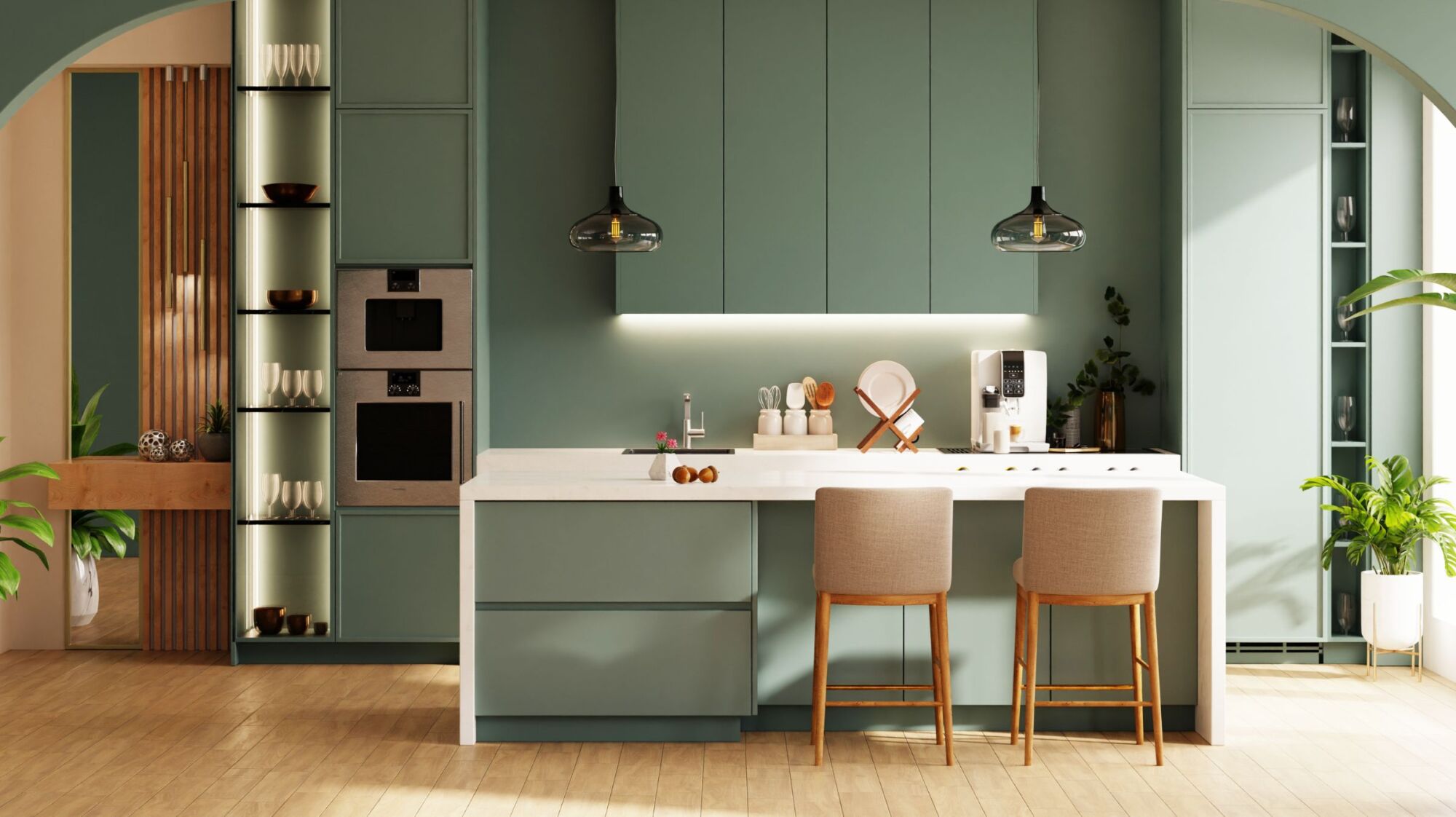
Curves and Arches
According to Elle Decor, curves and arches will be making a big impact in 2026. After years of sharp angles dominating the contemporary design space, curves are making a comeback. Arches and curves provide a softening of edges to help create organic and seamless flows across spaces. Versatility is the key to this trend, from mirrored arches, rounded alcoves for reading nooks, rounded kitchen islands, and even rounded furniture, the possibilities are endless.
When choosing furniture with arched details look for MDF and consider 3DL. 3DL offers a wide array of design options including endless solid colors plus patterns such as woodgrain and stone to add dimension and depth to designs.
Sustainability in Interior Design
Sustainability continues to be top of mind for many designers. Making choices that look good and are good for the planet, is not only smart, but trending in 2026. Choosing composite panel products that are Eco-Certified ™ Composites (ECC), ensures that your composite panels are manufactured with wood that is recycled, carbon negative and manufactured sustainably. Learn more about the sustainability story of composite panels here.
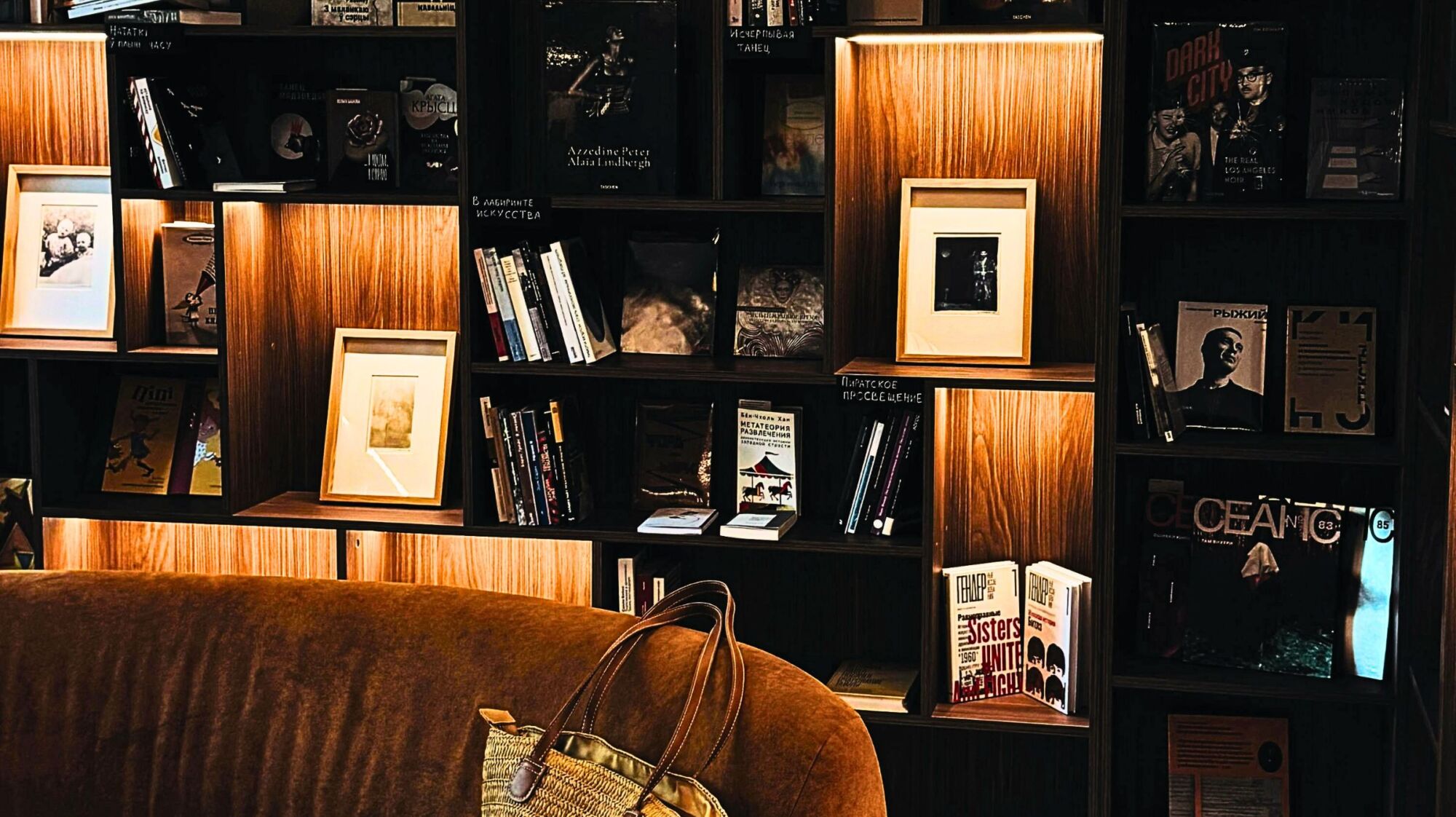
Curated Maximalism
The shift towards Maximalism is no coincidence when authenticity and connection are the theme for 2026. Crafting a maximalist look is less about having a single “style” and more about collecting pieces that reflect the personality of the individual. Think about curating furniture and pieces that feel personal and expressive. Maximalism can be achieved by layering colors, patterns and textures that tell a story. When mixing unique pieces as part of any interior design aesthetic, think decorative surfaces like two-dimensional laminates (2DL), 3DL, HPL, and TFL. These surfaces combine exceptional durability with versatile designs, making it easy to find options that complement any curated design.

Color Drenching
Color Drenching is an emerging design technique that takes a single shade from a color family and applies it across multiple surfaces in a room, including walls, ceilings, trim, doors, and even cabinetry. This approach creates a cohesive, immersive environment that feels both bold and harmonious. Color drenching helps shape a unified and fluid look to any space while making the room feel inviting and organic. Choose unlimited color options with MDF for doors, trim, moulding, and cabinets or find infinite possibilities with TFL or HPL to bring color drenching designs to life.